The Legacy of Ordinary Things
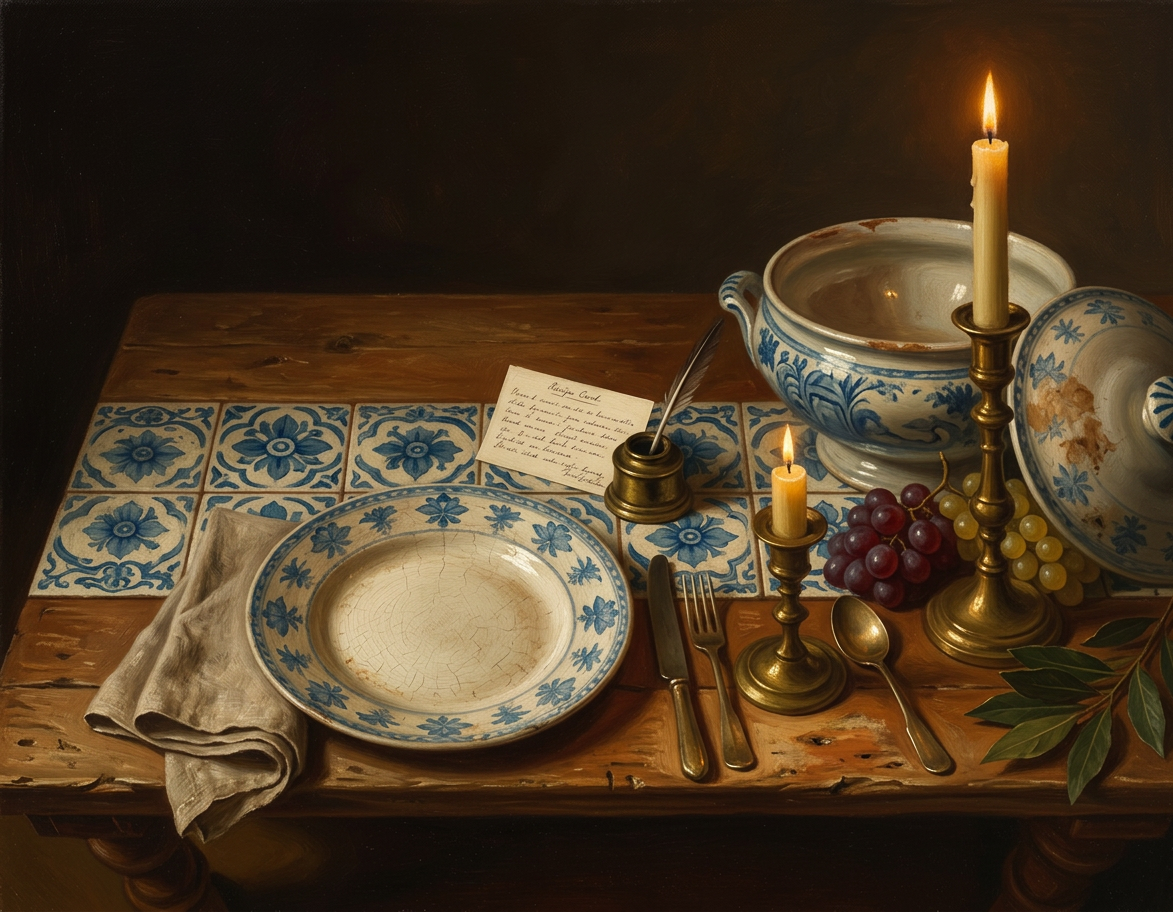
This month's Toast, from Haley & Kristie.
When people hear the word patriarchy, they usually think about power, politics, or systems of authority. However, we’ve been thinking about it differently, not as a structure of power, but as a structure of inheritance.
Every family passes something down, whether it's a last name, a recipe card, or a well-loved dinner plate that's been sitting in the cupboard for decades. More often, though, it's the things we don't notice: how holidays are celebrated, the way everyone shares the highs and lows of the day around the dinner table or the traditions that quietly shape family life.
Family traditions are fascinating because they rarely require instruction. We absorb them simply by participating. One day, you're watching your parents set the table for Thanksgiving, and years later, you realize you're placing the serving dishes in exactly the same spots without even consciously choosing to do so.
That's what makes family traditions so interesting. They're never static. A recipe changes over time based on the family member who's now responsible for making it. New people join the table, and old customs evolve to fit a different generation. The goal isn't to recreate the past exactly as it was, but to understand what made it meaningful in the first place.
Maybe that's the real inheritance we receive — not the heirlooms themselves, but the traditions that have quietly tied families together for generations. And maybe that's how families thread themselves through time, not by preserving everything, but by preserving the reasons we came together in the first place.